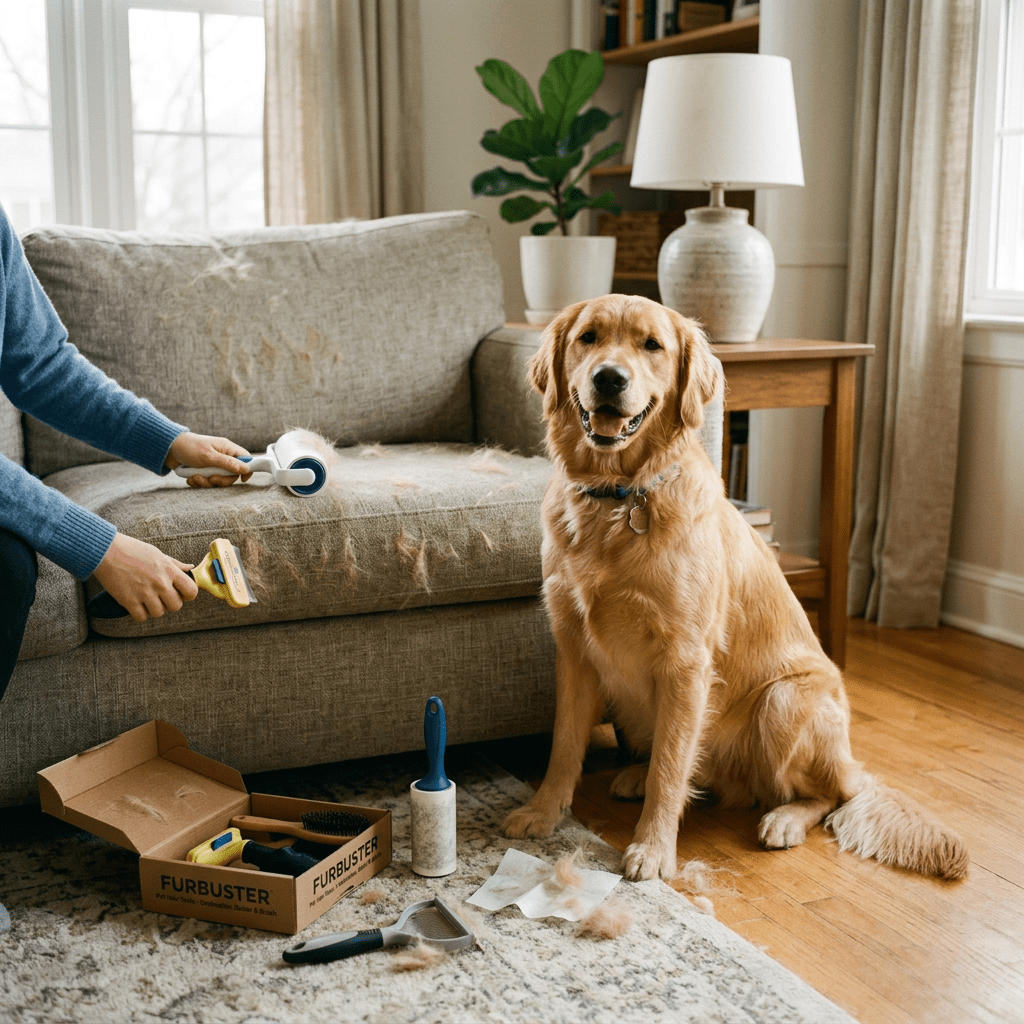
A black shirt can look freshly washed until your dog leans against it for ten seconds. Meanwhile, the couch, car seats, and favorite throw blanket seem to collect fur faster than a vacuum can keep up. This pet hair remover review looks at the tools that make everyday cleanup easier, where each one works best, and what to expect before you buy.
The right choice is rarely one tool for every surface. A remover that quickly lifts loose fur from upholstery may be awkward on a sweater, while a powerful vacuum attachment may not be the convenient answer for a quick cleanup before guests arrive. The most useful option is the one that fits your pet’s coat, your home, and how often you need to clean.
Pet Hair Remover Review: The Tools That Earn Their Space
Pet hair removers fall into a few practical categories: reusable rollers, traditional sticky lint rollers, rubber tools, grooming gloves, and vacuum attachments. Each has a place, but their performance changes depending on whether the hair is short and prickly, long and soft, or deeply woven into fabric.
Reusable rollers for sofas, bedding, and car seats
Reusable rollers use a textured fabric surface or a self-cleaning chamber to catch hair without disposable adhesive sheets. They are a strong everyday option for upholstered furniture, pet beds, comforters, and car seats. With a few back-and-forth passes, they can gather a surprising amount of loose fur, especially from smooth or tightly woven fabric.
Their biggest advantage is convenience. There are no refills to keep in a drawer, and the collected hair is usually released into a small compartment that you empty into the trash. For busy households with shedding dogs or multiple cats, that can make a reusable roller the tool you reach for most often.
There are limits. These rollers tend to work less effectively on deep-pile rugs, thick knits, and clothing with lots of seams. Some also need several passes when hair has been pressed into the fabric by people sitting or pets sleeping there. Choose a sturdy handle and a chamber that opens easily, since a fussy cleanup process can defeat the point of a reusable tool.
Sticky lint rollers for clothes and quick touch-ups
Adhesive lint rollers remain useful because they are fast, compact, and simple. Keep one near the front door, in your car, or beside the laundry area for shirts, pants, jackets, and smaller fabric surfaces. They are particularly helpful for short, stiff hairs that can resist fabric-based rollers.
The trade-off is ongoing waste and replacement cost. A single sheet fills quickly if you are cleaning a large couch or a heavy-shedding pet bed. Adhesive can also be less effective once it picks up dust or lint along with fur. For clothing and spot cleaning, it is hard to beat the convenience. For whole-room cleanup, it is better as a backup than your only solution.
If you use sticky rollers often, look for sheets that tear cleanly and stay attached to the handle until you are ready to remove them. A roller that peels apart in your hand is not saving time.
Rubber brushes and squeegees for embedded fur
Rubber is one of the most effective materials for pulling hair out of carpet and upholstery. The light friction created as you drag a rubber brush or squeegee across the surface causes hair to gather into easy-to-pick-up clumps. This is especially useful for long hair that has settled into rugs, carpeted stairs, fabric vehicle interiors, and pet beds.
A rubber tool is low-cost, washable, and refill-free. It can also be a smart choice for homes where pets regularly ride in the car, since a small squeegee can reach tight areas around seats and floor mats. Use short, firm strokes rather than sweeping across a large section at once.
The downside is effort. Cleaning an entire living room rug with a hand tool takes more time than vacuuming, and it can be tiring if the hair is heavily embedded. It also is not the best option for delicate fabrics, loosely woven throws, or fine clothing. Consider it a deep-cleaning helper rather than a replacement for your vacuum.
Grooming gloves for catching hair before it spreads
A grooming glove is technically a grooming tool, but it can reduce the amount of hair that reaches your furniture and floors. The flexible rubber tips collect loose fur while you pet your dog or cat, making it less intimidating for animals that dislike brushes. It works best for short- to medium-coated pets and for regular maintenance between more thorough grooming sessions.
For a pet that sheds heavily, the glove alone will not solve the problem. Long, dense double coats usually need a brush designed for the undercoat. Still, a glove is an easy, gentle option for getting ahead of loose hair and building a calmer grooming routine.
Vacuum attachments for floors and deep cleaning
A vacuum with a motorized brush, upholstery attachment, or crevice tool handles the jobs that rollers cannot. It is the practical answer for large rugs, carpet, baseboards, corners, and fur that has settled below the surface. A pet-specific attachment can also help lift hair from upholstered chairs and stairs without relying on repeated hand brushing.
Vacuuming is most effective when you move slowly and make more than one pass in different directions. Hair can lie flat in one direction, particularly on carpet. Empty the canister or replace the bag before it is packed, and clear hair from the brush roll regularly. A clogged brush roll reduces pickup and can make a perfectly good vacuum feel underpowered.
The trade-off is that vacuums are not always convenient for a quick clothing check or one furry seat cushion. Pairing a vacuum with a smaller manual remover gives most homes a more realistic cleaning setup.
How to Choose a Pet Hair Remover for Your Home
Start with the surfaces that bother you most. If the sofa and car are the main problem, a reusable roller and rubber squeegee cover most daily needs. If clothes are the biggest frustration, keep adhesive rollers where you get dressed and near the door. If you have wall-to-wall carpet or a large dog that sheds year-round, prioritize a vacuum attachment and use manual tools for detail work.
Your pet’s coat matters just as much. Fine cat hair often clings to fleece, blankets, and clothing, where adhesive rollers perform well. Long dog hair tends to collect in corners and form visible piles, making reusable rollers and vacuums useful. Short, coarse hair can weave into upholstery and carpet, where rubber tools often do their best work.
Also consider maintenance. A reusable roller sounds economical, but only if you will empty it after use. A rubber brush lasts a long time, but it needs rinsing when it collects oils and dust. Disposable sheets are easy, but they require refills. The best value comes from buying a tool you will actually use consistently.
Getting Better Results From Any Remover
Pet hair cleanup is easier when you tackle it in small sessions instead of waiting for every surface to be covered. Roll the couch after your pet’s favorite nap, vacuum high-traffic spots once or twice a week, and wash pet bedding on a regular schedule. A clean pet bed is one less place for hair to travel from room to room.
Before using a remover on delicate upholstery, test a small hidden area. Avoid aggressive scraping on leather, suede, loosely woven fabric, and finishes that could scratch. For washable blankets and covers, shake them outside first to remove loose hair before laundering. That simple step helps keep hair from collecting in your washer.
It also helps to match grooming to shedding season. Regular brushing outdoors or in an easy-to-clean area removes loose coat before it reaches the couch. This does not eliminate cleaning, but it noticeably reduces the amount of fur your tools need to handle.
A practical setup for most pet homes is a reusable roller for furniture, a sticky roller for clothes, and a vacuum or rubber tool for floors. Petsify Shop makes it easier to find dependable grooming and home-care essentials in one convenient place, so you can choose the combination that fits your routine. Pick the tool that solves your most frequent mess first, keep it within reach, and a fur-covered home becomes much easi
 Petsify Shop
Leave a comment